The US Congress designated the Juniper Dunes Wilderness in 1984 and it now has over 7,140 acres. The Juniper Dunes Wilderness preserves the northernmost growth of western juniper, some of which have been around for 150 years, along with windswept sand dunes measuring 130 feet in height and 1200 feet in width. Other tha…
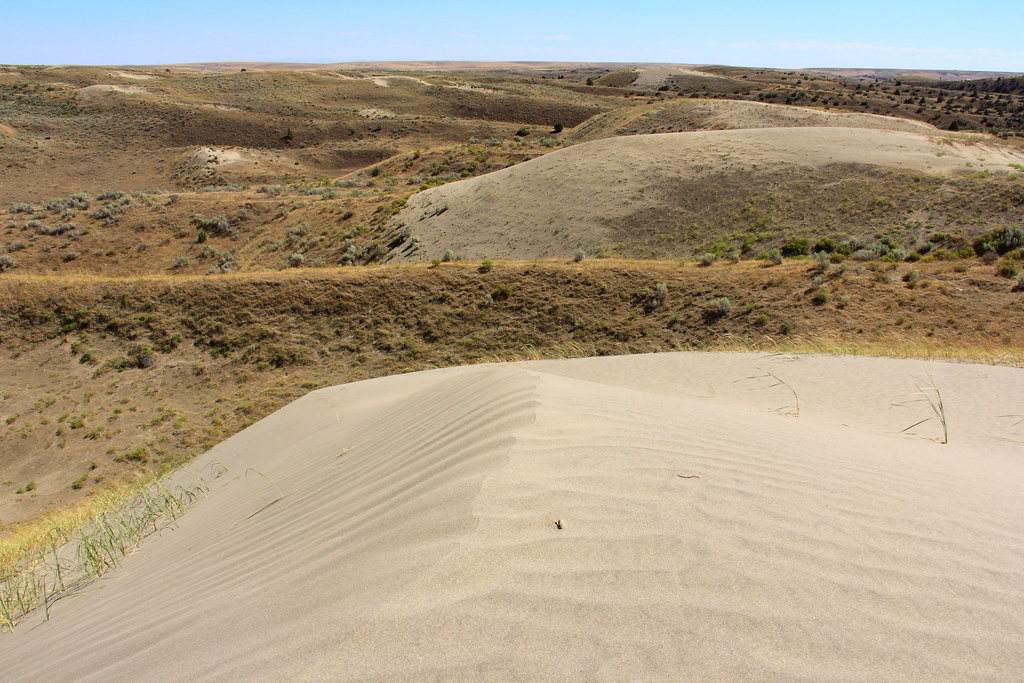
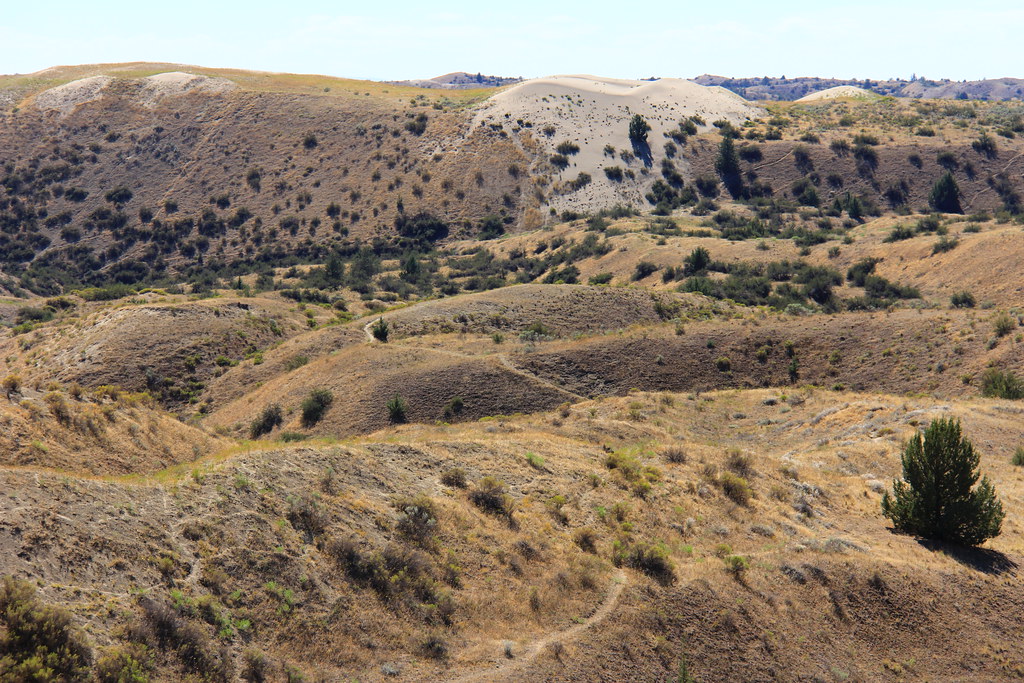
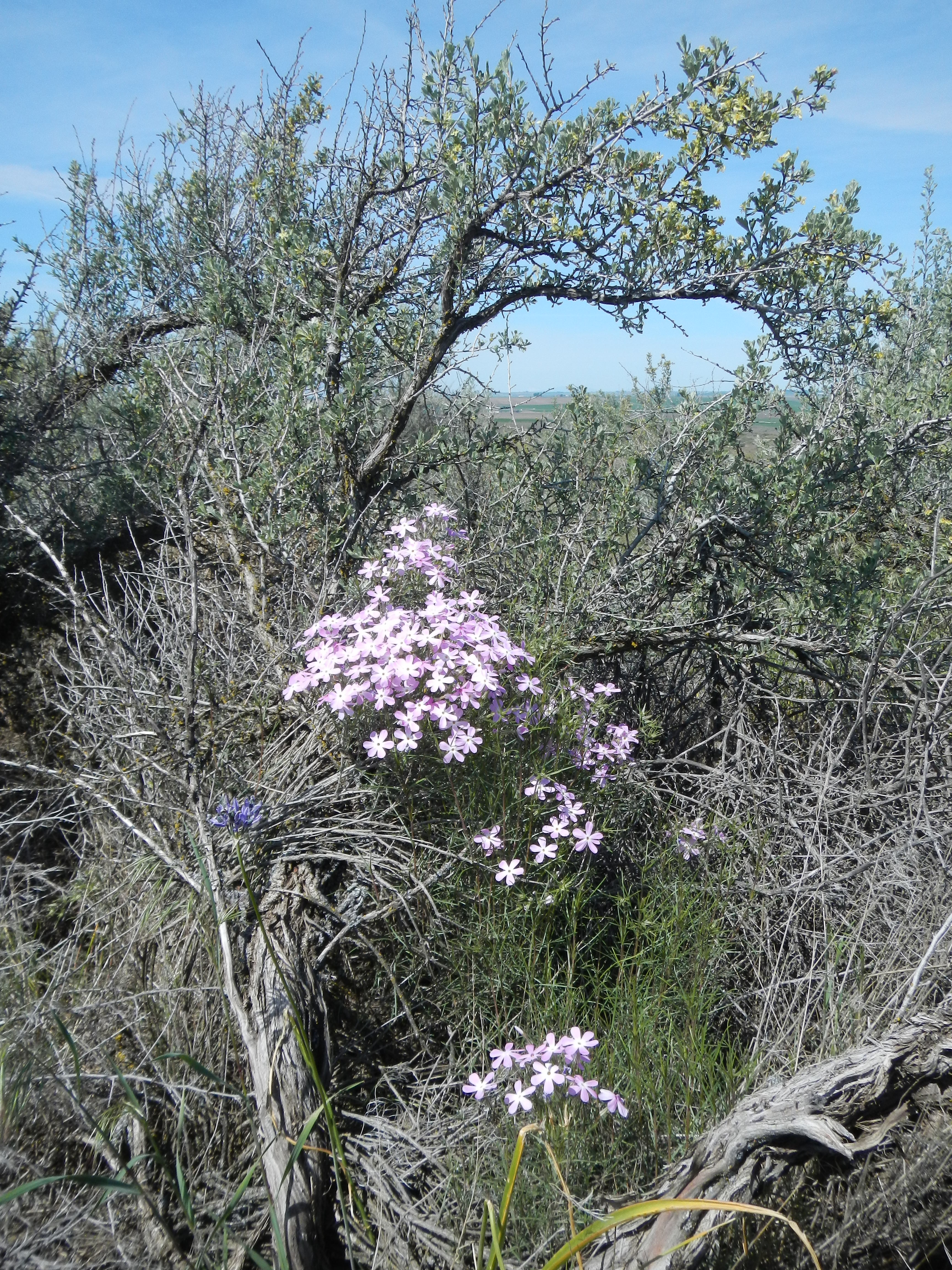
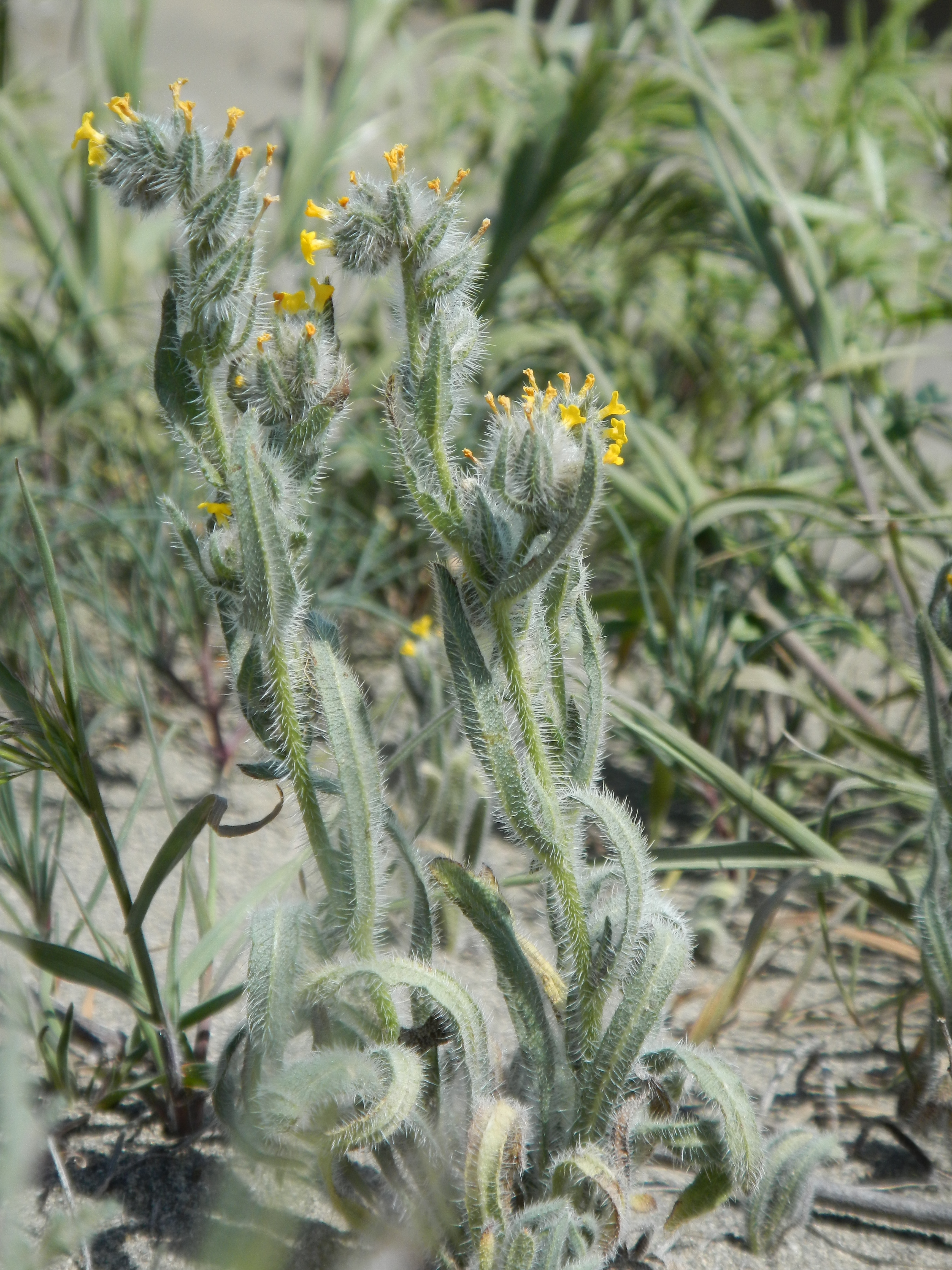
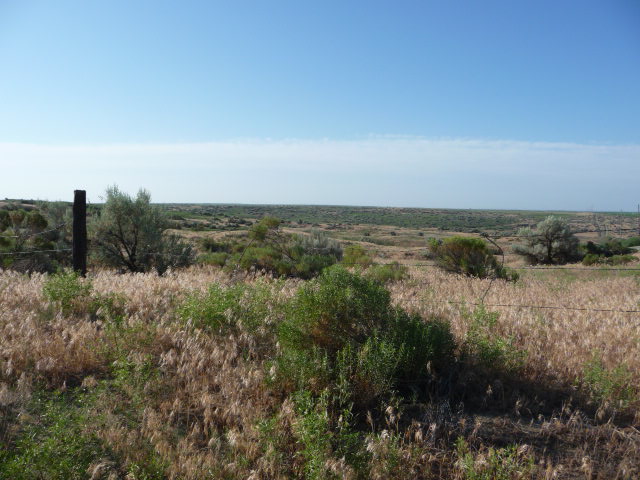
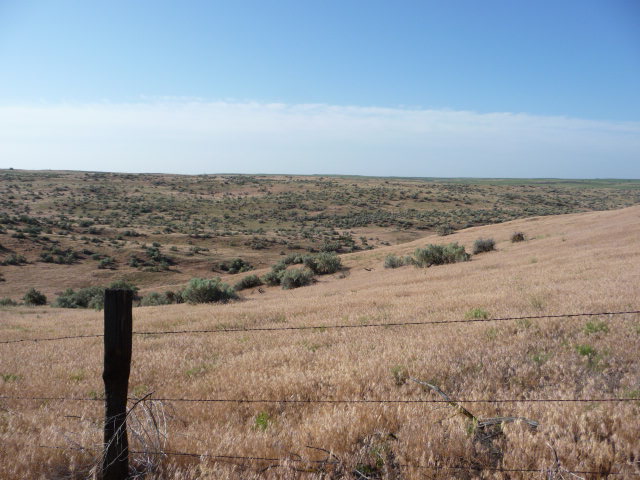
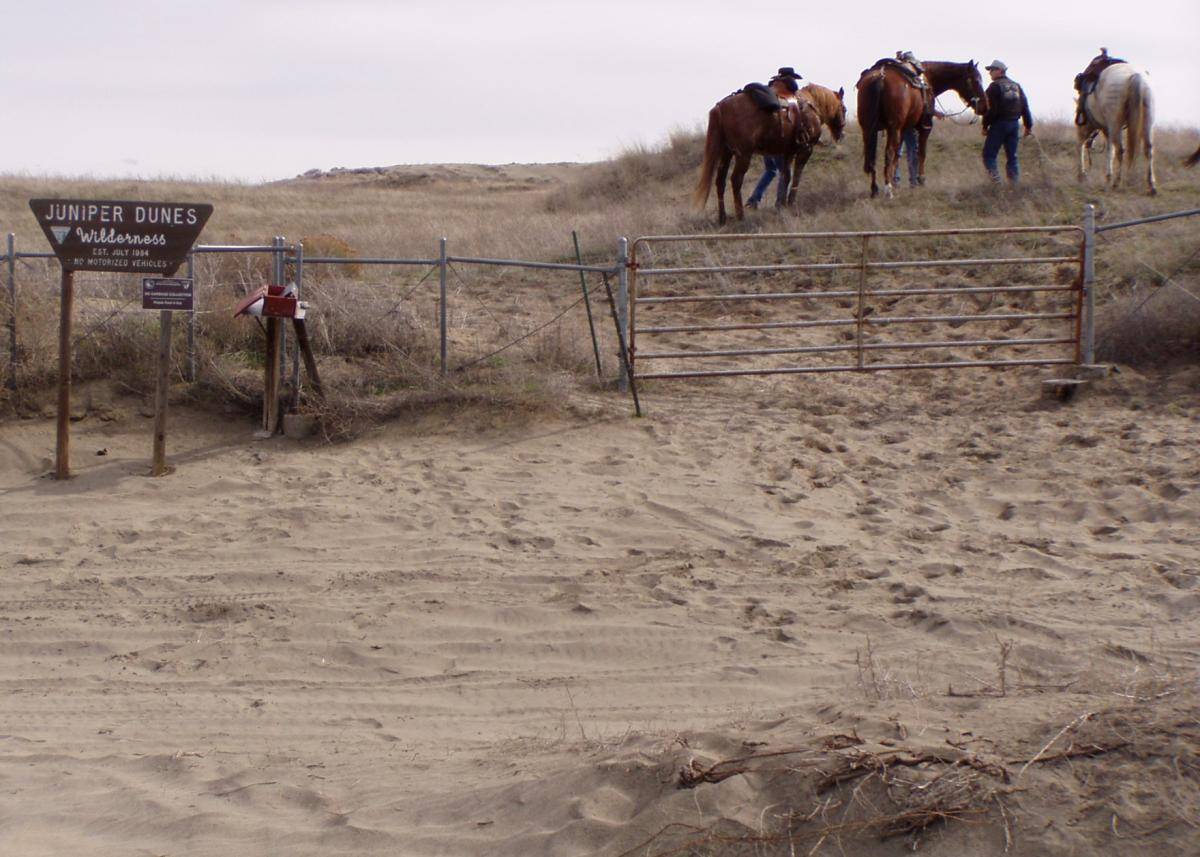
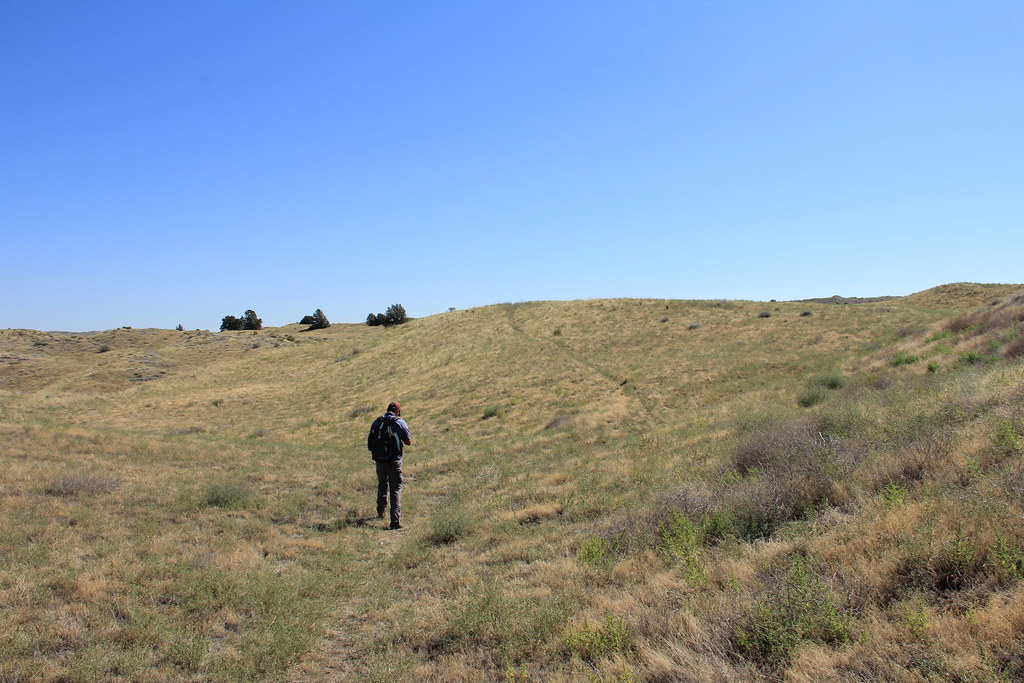
The US Congress designated the Juniper Dunes Wilderness in 1984 and it now has over 7,140 acres. The Juniper Dunes Wilderness preserves the northernmost growth of western juniper, some of which have been around for 150 years, along with windswept sand dunes measuring 130 feet in height and 1200 feet in width. Other than junipers, no trees grow in significant numbers here, but many bushes and flowers bloom wondrously come spring, although the mountains that separate western and eastern Washington generally wring the moisture from the air.The landscape here takes quite a battering; in fact, with strong southwest winds to build the dunes, seven to eight inches of precipitation to moisten them, a foot or so of snow that drifts down in winter, and summer temperatures that occasionally rise above 100 degrees Fahrenheit. Elevations range from 750 feet to 1,130 feet above sea level. But plenty of animals thrive despite the extremes: mule deer, bobcats, coyotes, badgers, skunks, weasels, porcupines, pocket gophers, kangaroo rats, several species of mice, hawks, owls, ravens, quail, partridge, pheasants, doves, numerous songbirds, and rattlesnakes.The entire wilderness is surrounded by privately owned lands. Getting all the way to the Wilderness gate can be risky business, even with a high clearance 4-wheel drive vehicle (highly recommended), and there is a significant risk of getting stuck in the loose sand of the last jeep trail, Wilderness Road, especially in warm months when there is little moisture in the sand. One option is to park at the Off-Highway Vehicle staging area on Juniper Road (also a jeep trail) and walk an additional +1 mile to the Wilderness Gate.You'll find no maintained trails nor water in the Wilderness, and backpackers and horseback riders should be aware of the likelihood of large temperature variations during overnight stays.Since the early 1960s, Juniper Dunes has been a popular regional outdoor recreation area. Its current 19,600 acres is split into
Photos
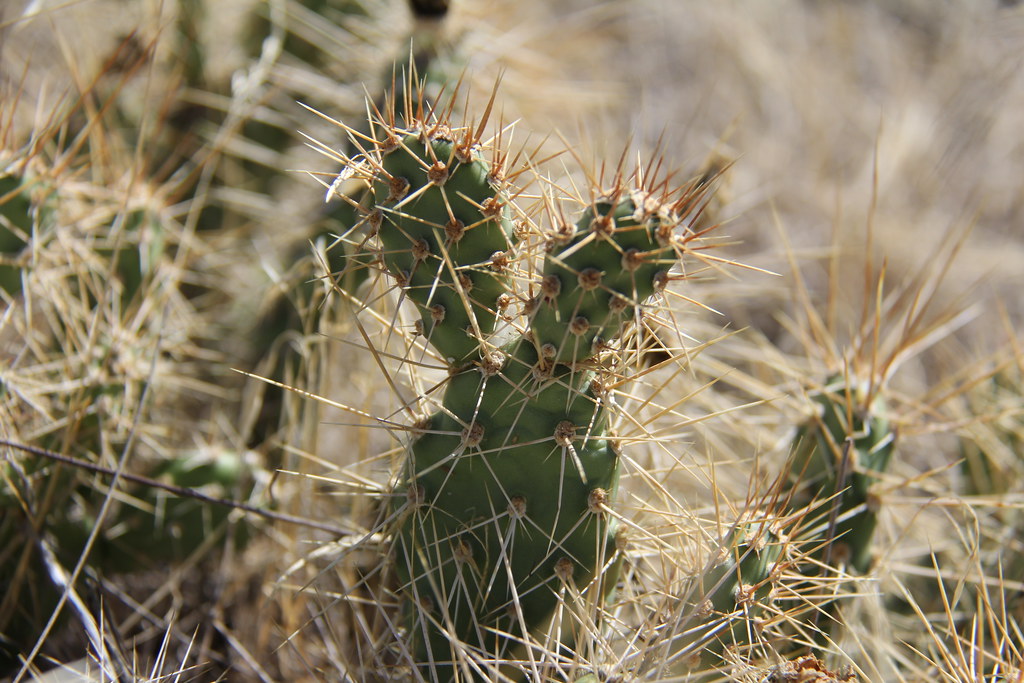
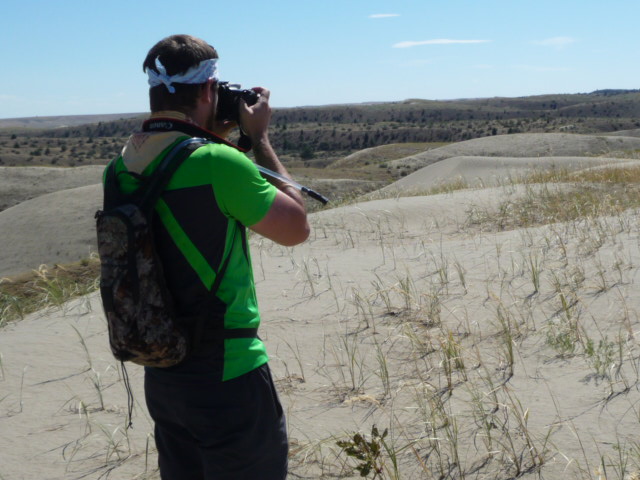
Juniper Dunes Wilderness Landscape — Bureau of Land ManagementSagebrush and wildflowers at Juniper Dunes Wilderness — Bureau of Land ManagementCactus in the Juniper Dunes WIlderness — Bureau of Land ManagementWildflower close up at Juniper Dunes Wilderness — Bureau of Land ManagementPhotographer at Juniper Dunes Wilderness — Bureau of Land ManagementJuniper Dunes Wilderness scene — Bureau of Land ManagementA view looking into the Juniper Dunes Wilderness — Bureau of Land ManagementEquestrians assemble at the Wilderness Gate before a ride into the Juniper Dunes Wilderness — Bureau of Land ManagementHiker in the Juniper Dunes Wilderness — Bureau of Land Management
How to Get There
From Ritzville, WA: take US 395 South for 75 miles and turn left onto Foster Wells Road. After 6.4 miles, where Foster Wells Road ends, turn left onto Pasco Kahlotus Road. After 1.2 miles, turn left onto Juniper Road. Continue straight (north) 4.25 miles to its junction with the very primitive OHV access road. The area is approximately seven miles northeast of Pasco, Washington.
Heading to Juniper Dunes Wilderness? A few things to know before you go:
Reservations: popular sites fill up fast — check Recreation.gov 6 months in advance
Fees: day-use and camping fees vary; check current rates on the official park page
Trash & pack-out: follow Leave No Trace principles
Wildlife: store food in bear boxes where provided; never feed wildlife
Weather: the 5-day forecast above is updated every 6 hours; verify just before you go
Frequently Asked Questions
Do I need a reservation for Juniper Dunes Wilderness?
No central reservation system listed for Juniper Dunes Wilderness. Check the official page (https://www.recreation.gov/camping/campgrounds/10038347) for the latest entry policy and availability.
Is Juniper Dunes Wilderness accessible?
No accessible facilities.
How do I get to Juniper Dunes Wilderness?
From Ritzville, WA: take US 395 South for 75 miles and turn left onto Foster Wells Road. After 6.4 miles, where Foster Wells Road ends, turn left onto Pasco Kahlotus Road. After 1.2 miles, turn left onto Juniper Road. Continue straight (north) 4.25 miles to its junction with the very primitive OHV access road. The area is approximately seven miles northeast of Pasco, Washington.
How do I contact Juniper Dunes Wilderness?
You can reach the park at phone: 509-536-1200 or email: [email protected].