FacilityFacilityRecreation.gov

San Juan Wilderness

Carlsborg, Washington · Clallam County · Facility

The San Juan Wilderness now contains a total of 353 acres and is managed by the Fish & Wildlife Service's Washington Maritime National Wildlife Refuge Complex. All of the Wilderness is in the state of Washington. In 1976 the San Juan Wilderness became part of the now over 110 million acre National Wilderness Preservati…

Advertisement
48.14005, -123.18641
Open in OpenStreetMap

About San Juan Wilderness

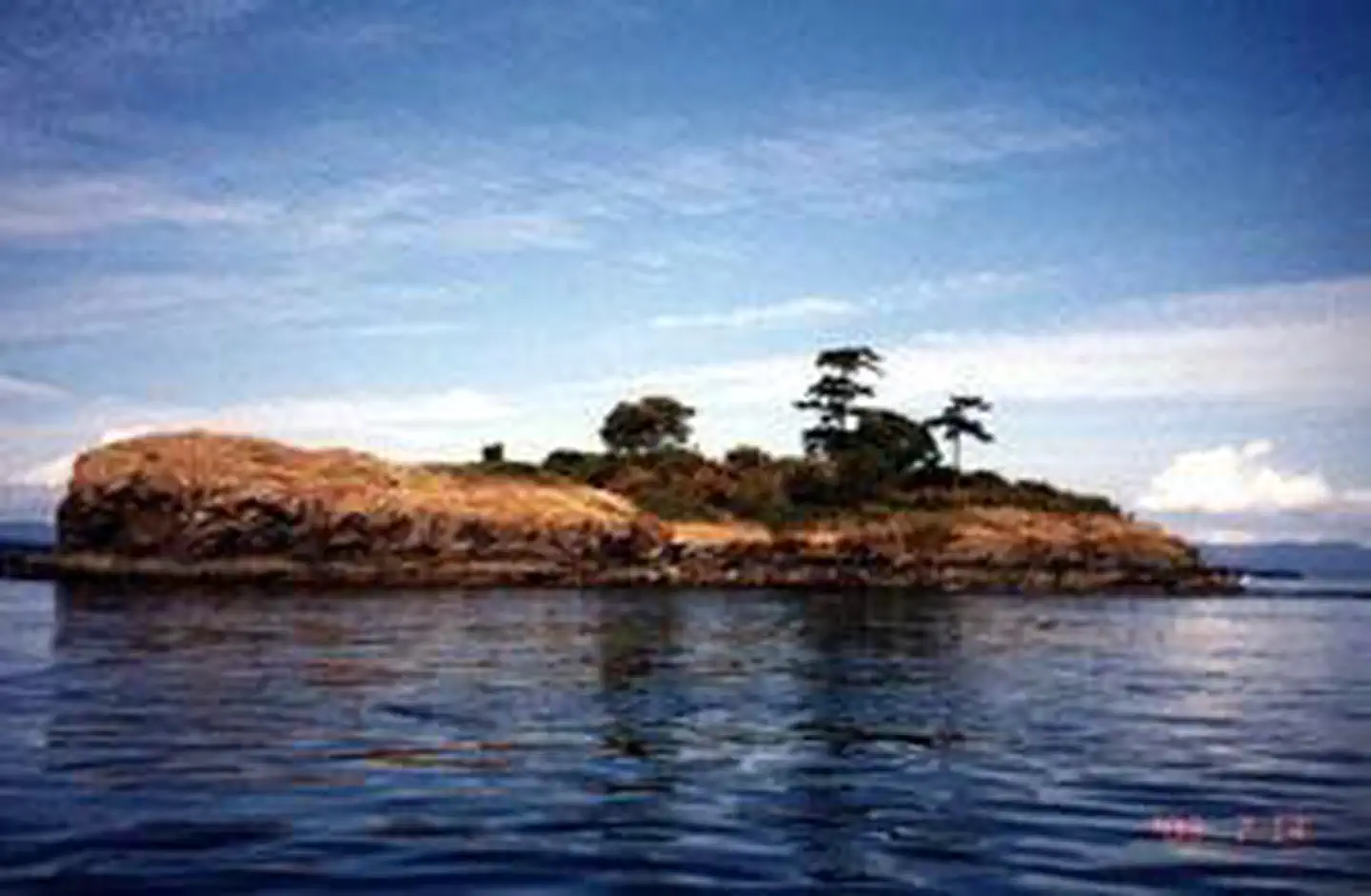
The San Juan Wilderness now contains a total of 353 acres and is managed by the Fish & Wildlife Service's Washington Maritime National Wildlife Refuge Complex. All of the Wilderness is in the state of Washington. In 1976 the San Juan Wilderness became part of the now over 110 million acre National Wilderness Preservation System. The tips of submerged mountains collectively thrust above the sea where two straits--Georgia and Juan de Fuca--meet up with Puget Sound, forming the San Juan Islands. Of the 700 or so islands, islets, rocks, and reefs that make up the San Juan Islands, fewer than 200 have garnered official names. The large islands of San Juan, Lopez, Orcas, and Shaw make up more than 80 percent of the landmass. Of the rest of the land, much of it wave-drenched, 83 pieces are included in the San Juan Islands National Wildlife Refuge, a sanctuary for gulls, cormorants, guillemots, puffins, brants, oystercatchers, auklets, bald eagles, and harbor seals. Of these 83 specks of land above the line of mean high water, 80 have been designated Wilderness: Aleck Rocks, Bare Island, Barren Island, Battleship Island, Bird Rock, Black Rock, Boulder Island, Brown Rock, Buck Island, Castle Island, Center Reef, Clements Reef, Colville Island, Crab Island, Davidson Rock, Eliza Rock, Flattop Island, Flower Island, Fortress Island, Four Bird Rocks, Gull Reef, Gull Rock, Half Tide Rock, Hall Island, Harbor Rock, Lawson Rock, Little Sister Island, two named Low Island, Matia Island (with the exception of the five acres camping area managed under an Memorandum of Understanding with Washington State Parks), Mouatt Reef, Mummy Rocks, Nob Island, North Pacific Rock, North Peapod Rocks, Parker Reef, Peapod Rocks, Pointer Island, Puffin Island, Rim and Rum Islands, Ripple Island, Secar Rock, Sentinel Island, Shag Rock, Shark Reef, Skipjack Island, Skull Island, Small Island, South Peapod Rocks, Swirl Island, The Sisters, Three Williamson Rocks, Tift Rocks, Turn Rock, Viti Rocks, White

How to Get There

What you need to know before you go: Two islands in San Juan Islands National Wildlife Refuge are open to the visiting public. Campgrounds on Turn Island and Matia Island are managed by cooperative agreement with Washington State Parks. Turn and Matia Island State Parks are open to camping and moorage year round, from 6:30 a.m. to dusk in the summer and from 8 a.m. to dusk in the winter. Quiet hours are from 10 p.m. to 6:30 a.m. No generators may operate between 9 p.m. and 8 a.m. The Refuge does not charge fees, however both State Parks charge moorage and camping fees. All other rocks, reefs, and islands within San Juan Islands National Wildlife Refuge are closed to public visitation. A 200-yard buffer zone is enforced around them to protect nesting, resting, and feeding birds. Consult a refuge map for a general overview of the islands contained within this refuge. San Juan Islands National Wildlife Refuge is located in Northern Puget Sound. Best access to the islands is by boat from Anacortes or Friday Harbor. Several of the Refuge islands can be viewed from Washington State Ferries that traverse the area. Matia Island is reachable only by boat. It is located 2.5 miles north of Orcas Island and 1.5 miles east of Sucia Island. The closest launch sites are in Blaine, Obstruction Pass on Orcas Island, Squallicum Harbor in Bellingham, and in Anacortes. Turn Island is also reachable only by boat. The closest access point is Jackson Beach on San Juan Island. The closest "mainland"

Driving directions (Google Maps) →

Plan Your Visit to San Juan Wilderness

Heading to San Juan Wilderness? A few things to know before you go:

  • Reservations: popular sites fill up fast — check Recreation.gov 6 months in advance
  • Fees: day-use and camping fees vary; check current rates on the official park page
  • Trash & pack-out: follow Leave No Trace principles
  • Wildlife: store food in bear boxes where provided; never feed wildlife
  • Weather: the 5-day forecast above is updated every 6 hours; verify just before you go

Frequently Asked Questions

Do I need a reservation for San Juan Wilderness?

No central reservation system listed for San Juan Wilderness. Check the official page (https://www.recreation.gov/camping/campgrounds/12830) for the latest entry policy and availability.

How do I get to San Juan Wilderness?

What you need to know before you go: Two islands in San Juan Islands National Wildlife Refuge are open to the visiting public. Campgrounds on Turn Island and Matia Island are managed by cooperative agreement with Washington State Parks. Turn and Matia Island State Parks are open to camping and moorage year round, from 6:30 a.m. to dusk in the summer and from 8 a.m. to dusk in the winter. Quiet hou…

How do I contact San Juan Wilderness?

You can reach the park at phone: (360) 457-8451 or email: fw1wamaritime@fws.gov.