Back Bay National Wildlife Refuge was established in 1938 to protect and provide habitat for migratory and wintering waterfowl, or ducks, geese and swans. The refuge encompasses a variety of habitats including beach, dunes, shrub-scrub, freshwater wetlands and woodlands. The primary unit of the wildlife refuge sits a t…
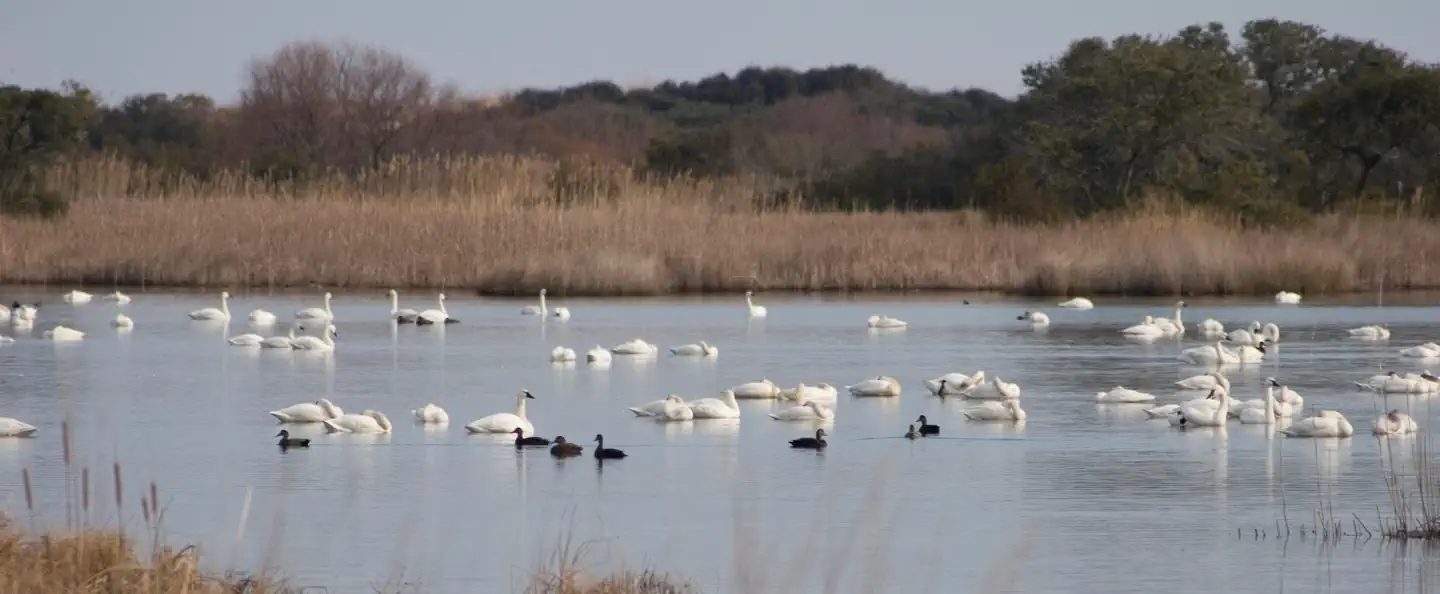
Back Bay National Wildlife Refuge was established in 1938 to protect and provide habitat for migratory and wintering waterfowl, or ducks, geese and swans. The refuge encompasses a variety of habitats including beach, dunes, shrub-scrub, freshwater wetlands and woodlands. The primary unit of the wildlife refuge sits a thin strip of barrier island coastline typical of the Atlantic and Gulf coasts. Other areas of the refuge include islands in Back Bay and upland areas on the west bank of the bay, including a public kayak launch and fishing site at the end of Horn Point Road (open April - October).Thousands of tundra swans, snow and Canada geese and a large variety of ducks visit the refuge during the fall/winter migration. Refuge waterfowl populations usually peak during December and January. The refuge also provides habitat for other wildlife, including such threatened and endangered species as the loggerhead sea turtle, and recently recovered species like the brown pelican and bald eagle.In addition to providing habitat for migratory birds and wildlife, Back Bay Refuge provides over eight miles of scenic trails, a Visitor Center, interpretive programming and, with advance scheduling, environmental education opportunities. Popular outdoor recreation activities at the refuge include hiking, biking, freshwater fishing, surf fishing, kayaking/canoeing, wildlife photography and wildlife observation.
Photos
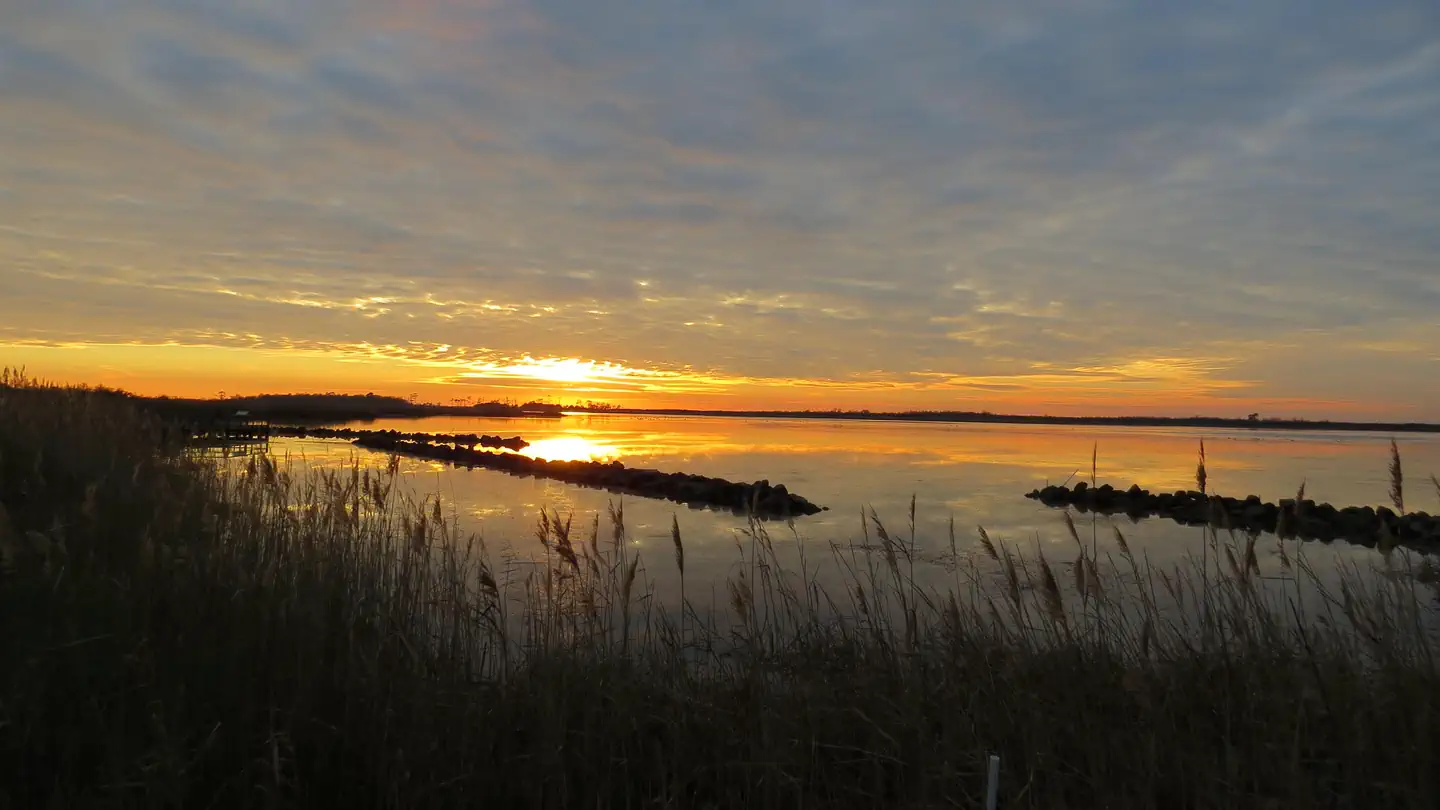
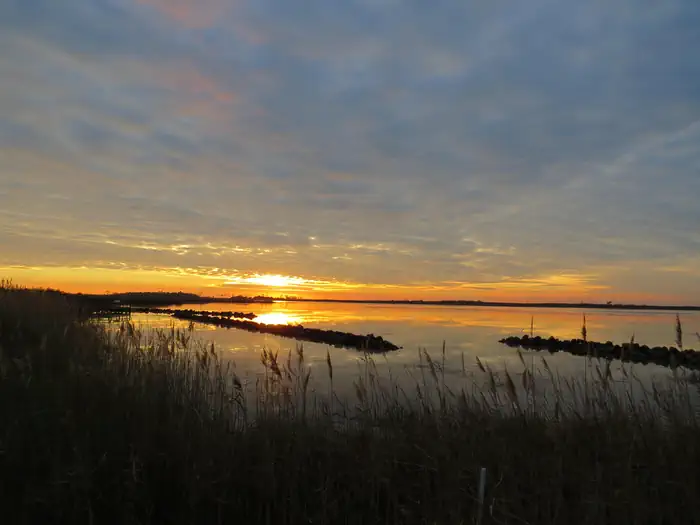
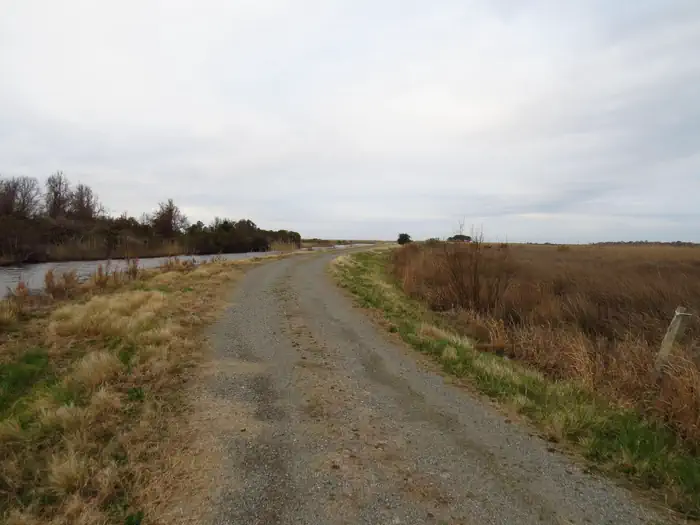
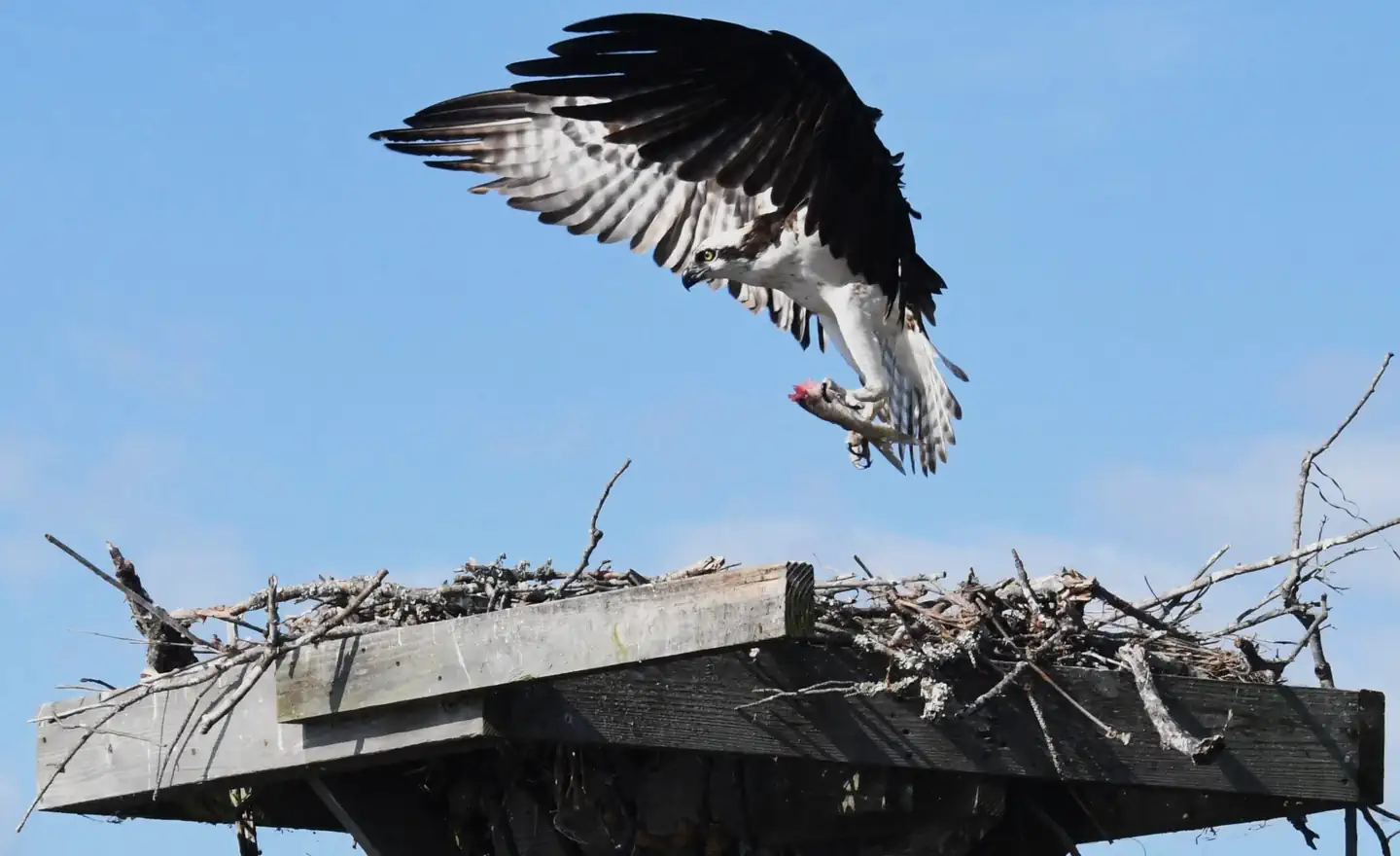
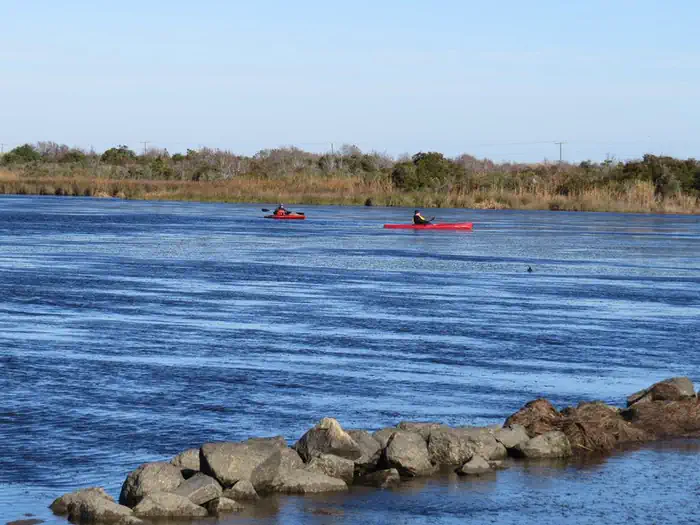
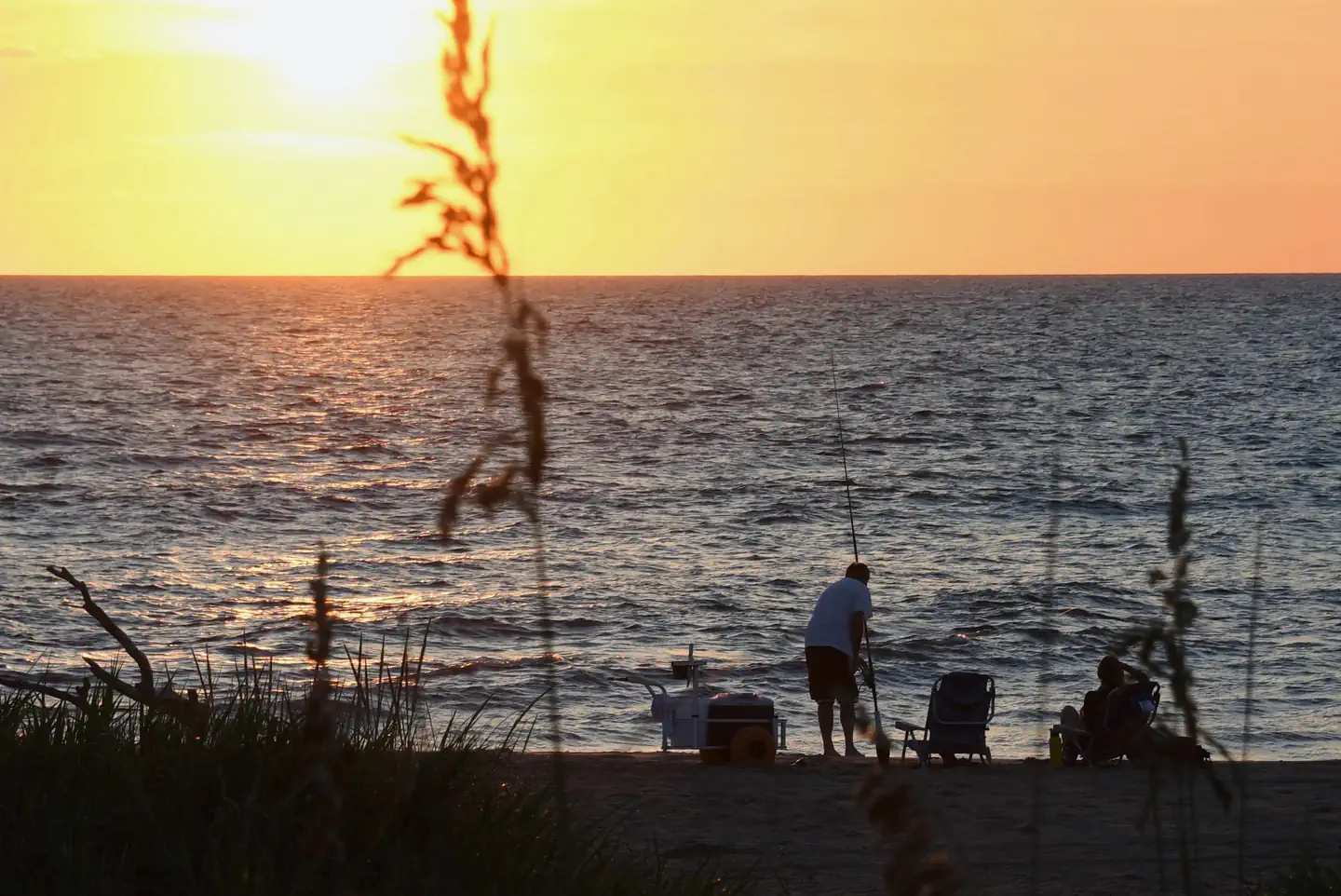
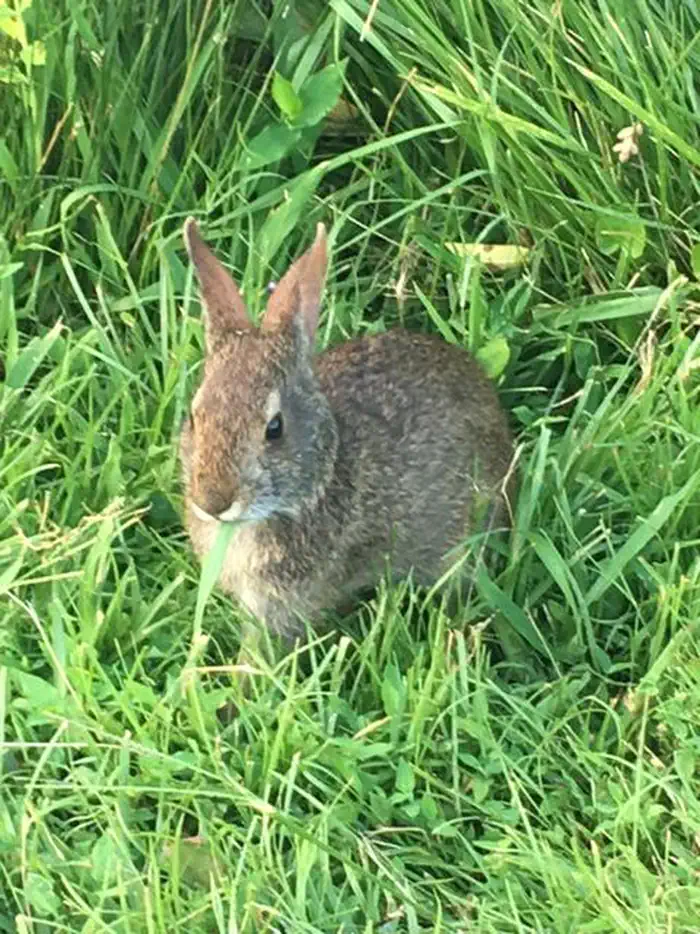
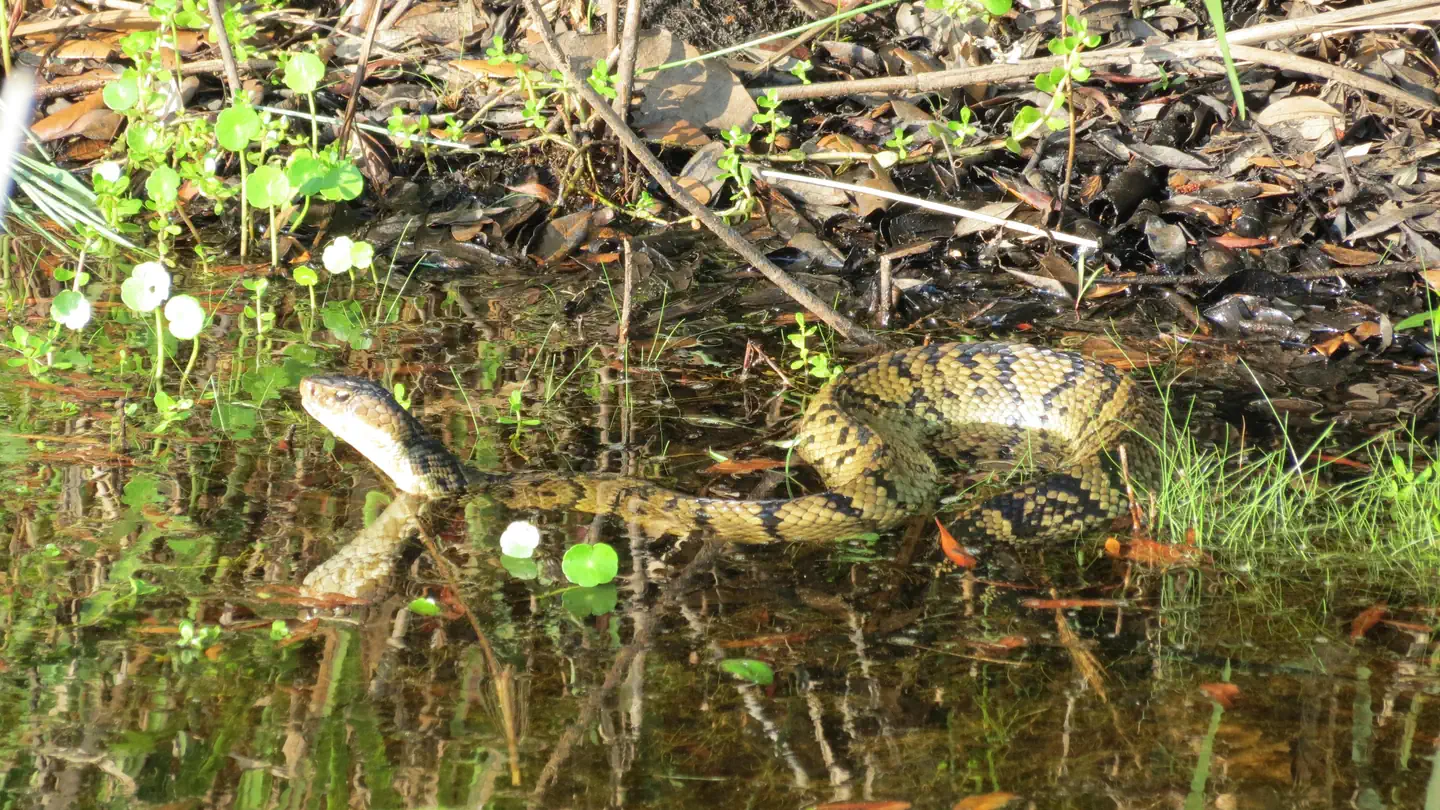
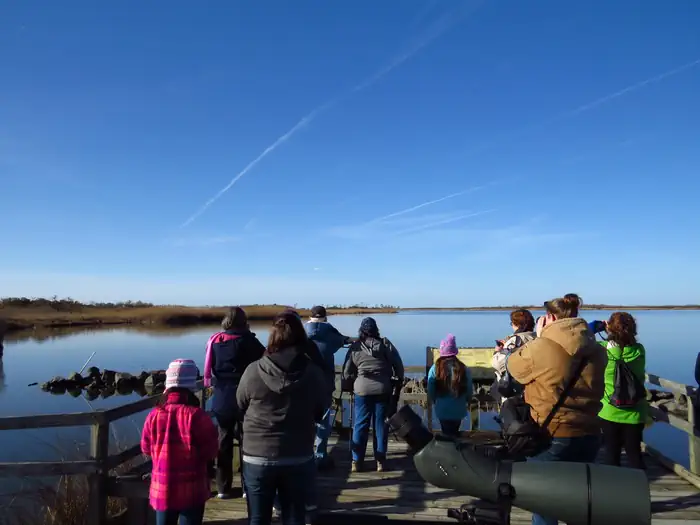
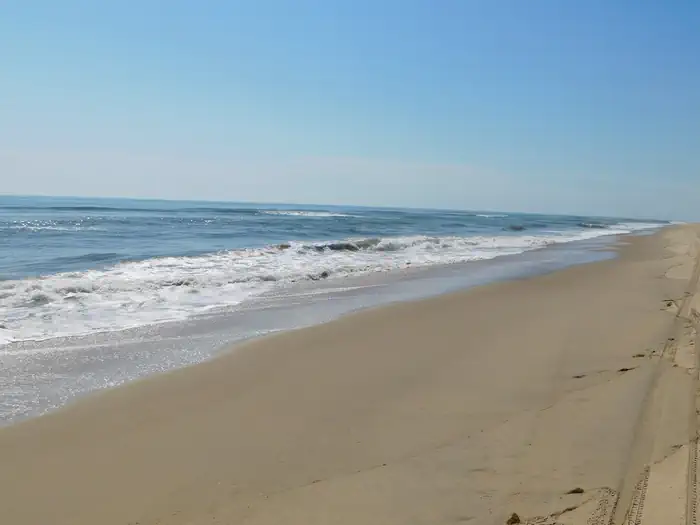
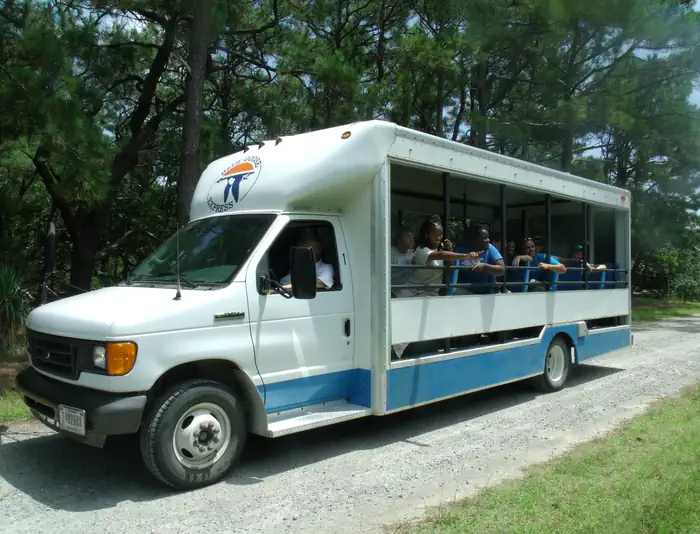
Gold and orange sunset over water. Marsh vegetation and breakwater rocks stand in front of the photgrapher with the sunset on the horizon. The sky is cloudy, with clouds changing color from gold to grayish blue throughout the image. — USFWSA gravel road cuts between cut grass and vegetation. White clouds cover the sky. A narrow body of water parallels the road on the left. — USFWSA brown and white osprey, or sea hawk, flares its wings as it lands on a nesting platform. The osprey holds a fish in its talons. — Reese LukeiTwo red kayaks float on calm blue water. A line of breakwater rocks line the foreground, with green brown vegetation and trees in the background. — USFWSA white and yellow ghost crab with black eyes stands on the edge of a blue trail mat and sand. — Richard DyerA fisherman stands on the beach with his pole. A beach chair and cooler are by his side. The sun rises over the ocean and a piece of dune vegetation covers slices through the foreground of the image. — Reese LukeiA small rabbit sits in bright green grass with a piece of grass sticking out of its mouth. — USFWSMany large white tundra swans and a few small dark ducks swim in the water. Brown marsh vegetation and shrubby trees are in the background. — USFWSA yellow gold snake with dark bands swims with its body on top of the water. Short green vegetation and brown leaves scatter the water and edge of the body of water. — USFWSAbout a dozen people dressed in warm weather gear stand on a viewing platform over the water. Many look through binoculars at something in the water. — USFWSThe blue ocean waves crash on the sandy shore. The sky is almost cloudless above. — USFWSA large, white and blue open-air vehicle sits on a gravel road. Passengers point to something out of view of the photo. Tall trees stand behind the vehicle. — USFWS
How to Get There
From I-64 exit to I-264 East (Oceanfront)Take Birdneck Rd. Exit 22Turn RIGHT onto Birdneck Rd.Travel approximately 3-4 miles to General Booth Blvd. (just past Seatack Elementary School)Turn RIGHT onto General Booth Blvd. Travel approximately 5 miles (After crossing London Bridge Rd., pay close attention to road signs.)Turn LEFT onto Princess Anne Rd. (second light after London Bridge Rd; a 7-11 is at the corner)Proceed straight (Note: Princess Anne Rd. becomes Sandbridge Rd.)Follow Sandbridge Rd. until you reach the Community of SandbridgeTurn RIGHT onto Sandpiper Rd. (at the Fire Station)Follow Sandpiper Rd. approximately 4 miles (You will pass Little Island City Park on your left)The entrance to Back Bay National Wildlife Refuge is at the end of Sandpiper Road. (4005 Sandpiper Road)
Plan Your Visit to Back Bay National Wildlife Refuge
Heading to Back Bay National Wildlife Refuge? A few things to know before you go:
Reservations: popular sites fill up fast — check Recreation.gov 6 months in advance
Fees: day-use and camping fees vary; check current rates on the official park page
Trash & pack-out: follow Leave No Trace principles
Wildlife: store food in bear boxes where provided; never feed wildlife
Weather: the 5-day forecast above is updated every 6 hours; verify just before you go
Frequently Asked Questions
Do I need a reservation for Back Bay National Wildlife Refuge?
No central reservation system listed for Back Bay National Wildlife Refuge. Check the official page (https://www.recreation.gov/recarea/1284) for the latest entry policy and availability.
How do I get to Back Bay National Wildlife Refuge?
From I-64 exit to I-264 East (Oceanfront)Take Birdneck Rd. Exit 22Turn RIGHT onto Birdneck Rd.Travel approximately 3-4 miles to General Booth Blvd. (just past Seatack Elementary School)Turn RIGHT onto General Booth Blvd. Travel approximately 5 miles (After crossing London Bridge Rd., pay close attention to road signs.)Turn LEFT onto Princess Anne Rd. (second light after London Bridge Rd; a 7-11 is…
How do I contact Back Bay National Wildlife Refuge?
You can reach the park at phone: 757-301-7329 or email: [email protected].